The 9 Tax Mistakes That Cost Small Businesses Thousands
- 01/12/2026 05:26am
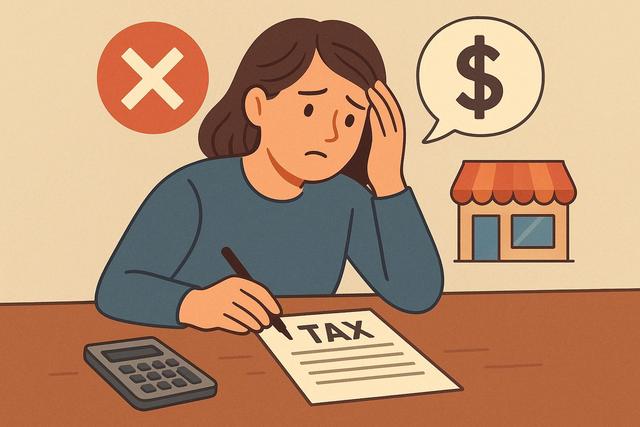
Taxes are an unavoidable part of operating a small business, yet many entrepreneurs make critical tax mistakes that can lead to needless financial loss. Whether it's miscalculated expenses or failure to understand IRS regulations, such errors drain business cash and impede growth. By understanding and avoiding these common tax pitfalls, small business owners can maximize their earnings and ensure regulatory compliance.
1. Misclassifying Employees and Independent Contractors
Misclassifying employees as independent contractors can lead to significant tax penalties. The IRS strictly monitors these classifications IRS guidelines. Small businesses must ensure they understand the difference, considering factors like behavioral control, financial oversight, and relational nature.
Actionable Insight:
- Conduct regular audits of employee roles and consult tax professionals to ensure correct classifications.
2. Poor Record Keeping
Good record-keeping is critical. Mistakes such as losing receipts or forgetting to track expenses accurately can prevent you from claiming legitimate tax deductions.
Actionable Insight:
- Utilize accounting software like QuickBooks QuickBooks to keep digital records and receipts systematically organized.
3. Failing to Separate Personal and Business Expenses
Mixing business and personal expenses complicates tax filing. This can easily lead to incorrect claims or missed deductions.
Actionable Insight:
- Maintain a separate business bank account and use business credit cards solely for business expenses.
4. Ignoring Estimated Tax Payments
Small businesses often overlook the necessity of making quarterly estimated tax payments. Such neglect can result in interest and penalties.
Actionable Insight:
- Use IRS Form 1040-ES to calculate and pay quarterly taxes, or set up automated payments through your accounting software.
5. Overlooking Available Tax Deductions
Businesses frequently fail to claim all eligible tax deductions, leaving money on the table.
Actionable Insight:
- Provide exhaustive records to your CPA and research industry-specific tax deductions that may apply.
6. Misunderstanding Tax Credits
Unlike tax deductions, tax credits are subtracted from the tax owed, not income. Failing to take advantage of available credits can be costly.
Actionable Insight:
- Research credits applicable to small businesses, such as the Small Business Health Care Tax Credit IRS Health Care Tax Credit.
7. Inaccurate Payroll Management
Incorrect payroll tax reconciling is a chronic issue that results in IRS penalties. Employers must balance salary, withholdings, and employer taxes accurately.
Actionable Insight:
- Consider payroll services or software solutions like Gusto Gusto to automate the withholding process.
8. Underreporting Income
Deliberate or unintentional income understatement exposes businesses to audits, fines, and legal trouble.
Actionable Insight:
- Maintain robust records and meticulously reconcile sales with bank deposits and financial statements.
9. Not Consulting With a Tax Professional
Many small business owners attempt to manage taxes themselves, missing out on expert advice that could save money.
Actionable Insight:
- Engage a qualified tax advisor to identify beneficial strategies and ensure tax compliance yearly.
Conclusion
By avoiding these nine costly tax mistakes, small businesses can enhance their financial health, reduce unwarranted expenditures, and increase their yearly savings. Accurate record-keeping, adhering to IRS guidelines, and seeking professional tax advice not only avert penalties but also set a strong foundation for consistent fiscal success. Proactive tax strategy is integral to thriving in today's business environment.

