
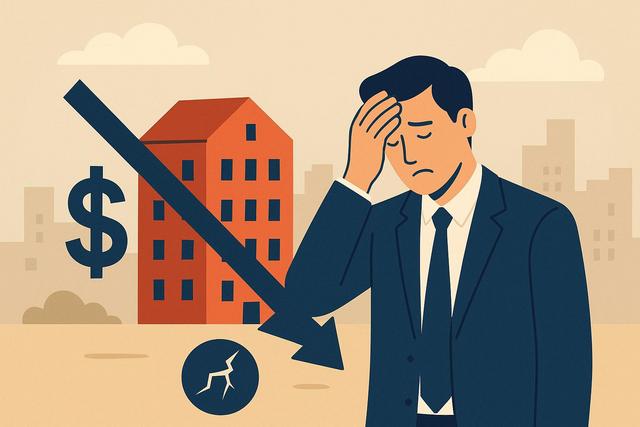
Understanding when property ownership can be detrimental to your business operations is crucial for strategic planning. While owning property might seem like an attractive investment, it can sometimes constrain growth, tie up crucial capital, or lead to unforeseen financial burdens. This article delves into the nuanced aspects of property ownership that can potentially impair your business, providing concrete data, real-world case studies, and strategic insights to help you make informed decisions.
The Financial Burden of Property Ownership
Capital Tie-Up and Cash Flow Constraints
Owning property requires upfront capital investment, which is often substantial. This capital is then tied up in a non-liquid asset, limiting the cash available for operations or expansion. For instance, a tech startup that invested heavily in an office building faced challenges scaling because funds that could have been used for R&D were inaccessible.
Case Study:
In the retail industry, companies like Toys 'R' Us struggled due to property ownership. Despite being profitable operationally, owning massive stores consumed capital that could have been used to modernize business models.
Maintenance Costs & Operational Risks
Property ownership also entails ongoing maintenance costs, which can be unpredictable. According to the Institute of Real Estate Management, operational costs can consume up to 35% of potential rental income.
Actionable Insight:
Conduct a detailed cost-benefit analysis considering maintenance projections and their impact on cash flow.
Flexibility vs. Ownership: Lost Opportunities
Relocation and Market Adaptability
Ownership restricts business mobility. In rapidly changing markets, flexibility is crucial. A company stuck with property is less agile in relocating to areas with a more favorable economic climate or customer base.
Example:
Consider how global banks like HSBC lease flagship premises rather than own them to easily shift base in reaction to regulatory changes.
Opportunity Cost & Industry Trends
Businesses in volatile industries may lose out on emerging trends if capital is locked in properties. This can be detrimental, especially when industry pivots would require agile monetary adjustments.
Strategic Insight:
Leasing offers access to prime locations with lower upfront costs, thus free navigation through changing market demands.
Tax Implications and Accounting Complexities
Real Estate Taxation Challenges
Complex tax regulations related to property ownership can also burden businesses unless adeptly managed. Property taxes can significantly impact net profit margins.
Data Point:
The Tax Foundation indicates corporate property taxes average between 1% to over 3% of assessed value annually, depending on location.
Depreciation and Financial Reporting
The depreciation of property assets requires careful accounting to ensure financial reports reflect true business value without misleading stakeholders.
Critical Perspective:
Wrongful depreciation can result in tax inefficiencies or audit red flags.
Real Estate Market Volatility: Investment Risks
Value Fluctuations and Market Downturns
Historically volatile, real estate markets can drastically affect property value. During downturns, asset depreciation translates into reduced company value and collateral issues.
Case Study:
The 2008 financial crisis exemplified this when numerous businesses faced bankruptcy due to over-leveraged real estate portfolios.
Impact on Business Creditworthiness
Property devaluation can strike creditor confidence, complicating future borrowing or refinancing opportunities.
Actionable Strategy:
Diversification and hedging in real estate investments can mitigate risk impact.
Comparative Analysis: Owning vs Leasing
Cost Analysis
While leasing may appear more expensive in the long term, initial costs are significantly lower. Businesses save on taxes, maintenance, and flexibility costs.
Table: Ownership vs Leasing Costs
| Factor | Ownership Costs | Leasing Costs |
|---|---|---|
| Initial Capital | High | Low |
| Maintenance | High | Included |
| Flexibility | Low | High |
Strategic Planning and Business Model Alignment
Decisions to own should align with long-term strategic goals. Well-established businesses seeking stability may benefit more from ownership.
Strategic Insight:
Align real estate decisions with your business's financial health and growth trajectory.
Conclusion
In conclusion, while owning property can offer certain long-term benefits, the drawbacks such as capital immobilization, reduced flexibility, and potential financial burdens should not be overlooked. Businesses are often better served by leasing when adaptability and cash availability are priorities.
Key Takeaways:
- Perform a comprehensive financial assessment before deciding on property investment.
- Consider leasing for flexibility and adaptability in volatile sectors.
- Monitor real estate markets for opportunities and risks.
Implementation Steps:
- Engage with financial advisors to conduct property investment analysis.
- Re-evaluate business needs and strategic goals regarding property decisions annually.
- Maintain liquidity by not investing more than 25% of capital in property assets.

