How Bad Locations Slowly Kill Good Businesses
- 02/06/2026 05:26am
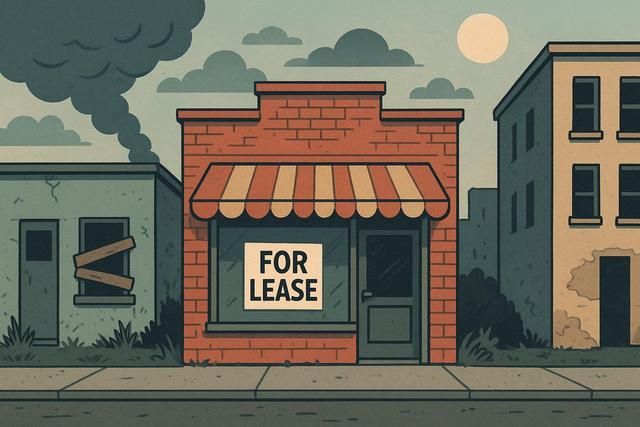
In today's fiercely competitive market, businesses are constantly seeking ways to gain an edge. While innovative products and aggressive marketing are often in the spotlight, the importance of strategic location can never be underestimated. Location serves as the anchor that holds a business's potential to either rise to success or sink into oblivion. As we explore how bad locations slowly kill good businesses, we'll uncover why location still matters more than marketing and how businesses can navigate site selection to avoid common pitfalls.
The Underestimated Power of Location
Location is not just about being visible to customers; it is about being accessible and strategically positioned within the community. A prime spot in the heart of bustling activity can provide the traction needed for success, while a remote or inaccessible site can be detrimental.
Accessibility and Visibility
Accessibility ensures that your target customers can conveniently reach your premises. According to Statista, nearly 80% of customers prefer to purchase from physical stores when the location is convenient. Visibility plays a crucial role as well. High foot traffic and drive-by visibility can significantly enhance brand recognition and impulsive shopping.
Demographics and Target Audience
Understanding the demographics of a location is as critical as knowing your customer base. A bad location is often the result of mismatching consumer demographics with your business offerings. For instance, a luxury retail store in a low-income area is likely to underperform compared to its placement in an affluent neighborhood.
Site Selection Mistakes Businesses Make
Site selection mistakes are common pitfalls that lead to underperforming businesses. Understanding these mistakes can help businesses make informed decisions.
Misinterpreting Market Data
Misinterpretation of market data leads to poor location choices. Businesses should utilize analytical tools and services such as Esri to perform geospatial analysis and demographic studies.
Ignoring Competition and Complementary Services
Failing to consider the competitive landscape can result in saturation or the overshadowing of a new business by established players. Complementary service analysis is essential. For example, a coffee shop near office parks and educational institutions is more likely to see high traffic.
Consequences of a Bad Location
The ramifications of a bad business location are far-reaching and can culminate in severe financial losses.
Increased Operational Costs
A poorly situated business often leads to increased costs. This includes higher advertising expenses to drive traffic and additional logistical costs. According to Forbes, location errors can lead to a 23% rise in operation costs.
Reduced Footfall and Revenue
A low-visibility or inconvenient location results in low footfall, leading to significantly reduced revenue. Storefront visibility assessments, as described by IBISWorld, show direct correlations between location and revenue.
Actionable Insights for Choosing the Right Location
Comprehensive Market Research
Conduct thorough market research using reputable databases and industry studies. Utilize resources like Zillow for real estate insights and Google Analytics to track customer behavior and preferences.
Prioritize Demographics and Customer Profiles
Align your potential location's demographics with your target audience to maximize compatibility. Tools such as SimplyAnalytics provide valuable data on local demographics and psychographics.
Evaluate Infrastructure and Economic Trends
Examine infrastructure projects and economic development trends, as these can significantly impact future customer flow and business viability.
Conclusion
In conclusion, location is far from a mere afterthought when establishing a thriving business. It is an integral component that can determine success or failure. By avoiding common site selection mistakes and aligning a business with the right demographics, businesses can position themselves for enduring prosperity. Prioritize intelligent site selection strategies, and leverage data analytics and research tools to ensure your business does not suffer the slow death that a bad location inevitably brings.

