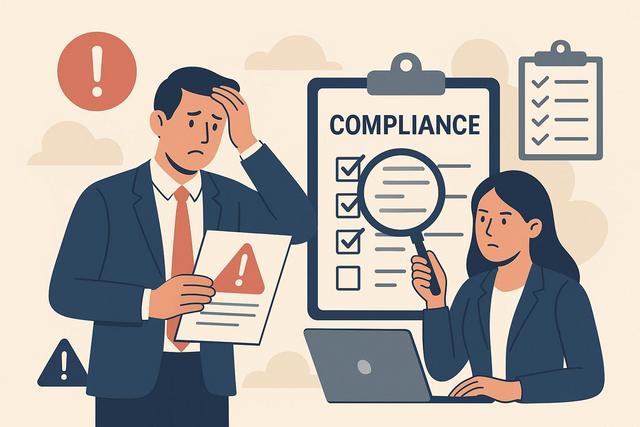
In the intricate landscape of business compliance, even minor errors can lead to significant audits by regulators and insurers. Understanding these compliance pitfalls is crucial for organizations aiming to mitigate risks and avoid financial penalties. This guide delves into common compliance mistakes, supported by real-world examples, data, and actionable insights.
The Importance of Compliance in Business Operations
Why Compliance Matters
Compliance is not just a legal requirement; it’s a fundamental aspect of business integrity and reputation. Organizations that maintain high compliance standards tend to enjoy better market positions, customer trust, and operational efficiencies.
Implications of Non-Compliance
Non-compliance can lead to severe consequences, including hefty fines and reputational damage. According to a 2022 study by Deloitte, companies spent an average of $14 million annually on compliance, highlighting the cost-benefit ratio of staying compliant.
Common Compliance Mistakes
Inaccurate Reporting
Inaccurate financial or operational reporting is a major red flag for auditors. For instance, a case involving a large retail firm showed how discrepancies between electronic records and physical stock led to a $20 million audit penalty.
Weak Internal Controls
Without robust internal controls, businesses are likely to overlook critical compliance requirements. A weak control environment could lead to unauthorized transactions or misstatements in financial reporting.
Industry-Specific Compliance Challenges
Healthcare Sector
In healthcare, HIPAA violations are a significant concern. A 2021 report found that healthcare organizations faced $28 million in HIPAA-related fines due to inadequate data protection measures.
Financial Services
The financial sector is heavily regulated. Compliance mistakes here often result from failure to align with international standards such as the Basel III. According to PWC, non-compliance penalties in this sector averaged $1 billion annually between 2019 and 2022.
Strategies to Prevent Compliance Mistakes
Regular Training
Continuous staff training on compliance standards is essential. This proactive approach ensures everyone understands their role in maintaining compliance (SHRM).
Compliance Technology
Leveraging compliance management software can eradicate human errors. Tools like Wolters Kluwer offer automated solutions to keep track of changing regulations and internal compliance metrics.
Implementing Robust Audit Processes
Internal Audits
Conduct regular internal audits to identify and rectify compliance issues before they trigger external audits. This practice, recommended by IIA, can significantly reduce the risk of non-compliance.
Third-Party Audits
Engaging third-party auditors ensures an unbiased review of compliance status, providing an external perspective that might highlight overlooked areas.
Measuring Compliance Performance
KPIs and Metrics
Define and track Key Performance Indicators (KPIs) that measure compliance effectiveness. Metrics such as audit frequency and compliance error rates provide valuable insights into organizational performance.
Benchmarking Against Industry Standards
Benchmarking can help measure where you stand relative to peers and identify significant gaps. Organizations performing in the top quartile compliance-wise had fewer audits and lower penalties as per a McKinsey report.
Conclusion: Taking Proactive Steps
To avoid compliance-related audits, organizations must adopt a proactive approach that involves comprehensive training, technology investment, and regular audits. Establishing a culture of compliance not only averts fines but also strengthens operational integrity.
Takeaways & Implementation Steps:
- Conduct thorough compliance training programs.
- Invest in compliance management software.
- Schedule regular internal and third-party audits.
By strategically addressing these core areas, businesses can effectively mitigate compliance risks and focus on sustainable growth.

