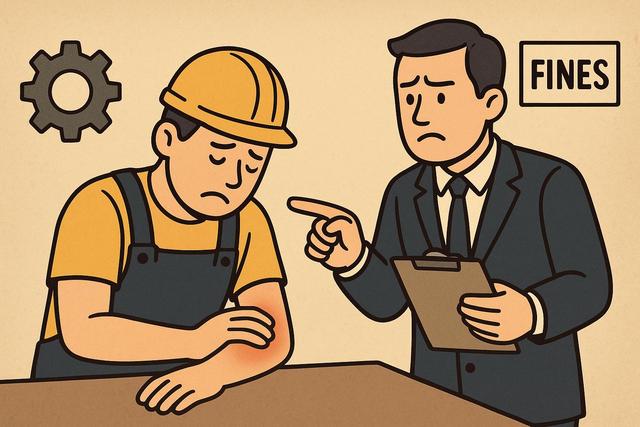
Many businesses fall victim to a pervasive myth regarding workers’ compensation, leading to significant fines and legal troubles. Understanding the nuances of workers’ comp compliance is essential for every business to avoid these costly penalties.
Understanding Workers’ Compensation
Workers' compensation insurance is a fundamental aspect of business operations, providing necessary protection for employees in case of work-related injuries or illnesses. Yet, many businesses harbor misconceptions about this coverage, leading to non-compliance. Let's unravel the truth about workers' comp to avoid unnecessary fines.
The Role of Workers' Compensation
Workers' compensation serves as a financial backup for both employees and employers, covering medical expenses and lost wages when an employee is injured on the job. According to the U.S. Department of Labor, failure to comply with workers' comp laws can lead to severe fines and legal penalties.
The Myth: "My Business is Too Small"
The most common myth that gets businesses fined is the belief that their company is too small to require workers' comp insurance. Many small business owners mistakenly believe they are exempt from compliance laws, potentially causing substantial fines. Understanding state-specific requirements is crucial as most states mandate some form of workers’ compensation, even for small businesses.
State-Specific Regulations
Each state has its regulations concerning workers’ compensation. For instance, California requires all businesses with at least one employee, regardless of business size, to carry workers' comp insurance. In contrast, Minnesota mandates coverage for any company with employees earning $1,000 or more per year.
Consequences of Non-Compliance
The consequences of believing such myths can be dire. Fines, lawsuits, and business shutdowns are among the potential penalties for failing to carry workers’ comp insurance when required. For instance, in Texas, businesses that opt-out might face lawsuits in personal injury court, which can lead to higher compensation than a workers' comp policy.
Real-World Penalty Cases
In 2021, a Florida-based company received a fine of over $100,000 for not having adequate workers' compensation coverage. Florida's Department of Financial Services states that the fine is based on worker assessments over a 2-year period.
How to Ensure Compliance
Adhering to workers’ compensation laws involves several proactive steps:
- Research state-specific regulations: Each state has unique requirements, so research thoroughly or consult with a legal expert.
- Regularly review business insurance policies: Make sure your workers’ comp policies are up-to-date and reflect any changes in your business.
- Consult with professionals: Engage a compliance expert or legal professional to ensure your business adheres to current laws and standards.
Using Modern Tools for Compliance
Leverage technology to keep up with the latest regulations. Platforms like RiskMethods and Zenefits offer solutions for tracking compliance and ensuring all legal bases are covered.
Conclusion: Actionable Takeaways
To circumvent the pitfalls associated with workers’ compensation myths, businesses should prioritize education and proper planning. Avoiding fines is entirely possible with the right knowledge and resources.
- Stay informed about your local regulations and ensure compliance at all times.
- Invest in the right insurance policies and consult with experts when needed.
- Use technology to automate compliance tracking and reduce human error.
By dispelling myths and investing in compliance, businesses can protect themselves from legal repercussions while safeguarding their workforce effectively.

