Why UGC Ads Outperform Polished Ads
- 03/16/2026 07:26am
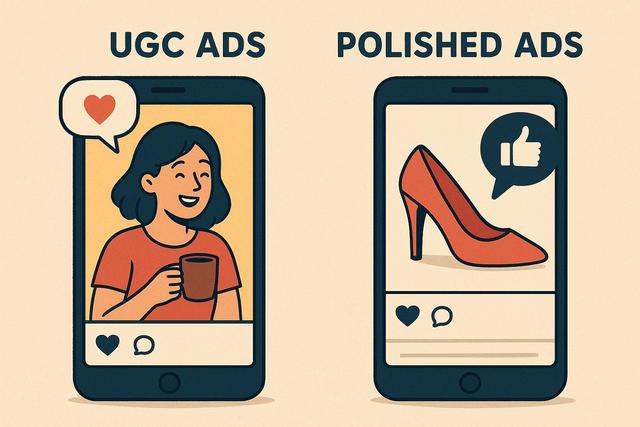
In the evolving landscape of digital marketing, User-Generated Content (UGC) ads have emerged as a powerful alternative to traditional polished ads. This shift is driven by consumer preference for authenticity, trust-building potential, and cost-effectiveness. In this article, we will delve into why UGC ads outperform polished ads, backed by real-world examples, data, and actionable insights for marketers.
Understanding UGC Ads
UGC, or User-Generated Content, involves consumers themselves creating promotional content about a brand or product. This content ranges from reviews and unboxing videos to testimonials and social media posts.
Explanation of UGC
Unlike traditional marketing that heavily involves company-led efforts to create glossy and high-budget content, UGC shifts the narrative by empowering consumers. This leverages the real experiences and voices of everyday users to promote products.
Examples in Practice
Brands like GoPro extensively utilize UGC by encouraging users to share videos made with their products. This fosters a community-driven marketing approach, where content created by users feels more relatable and trustworthy.
The Authenticity Factor
UGC ads resonate due to their genuine and organic nature, contrasting starkly with the sometimes artificially perfected polished ads.
Building Trust Through Authenticity
According to a study by Stackla, 86% of consumers cite authenticity as a key factor when deciding what brands they like and support (Stackla, 2019). UGC provides an unfiltered glimpse into real user experiences, thus enhancing credibility.
Strategic Insights
For marketers, integrating UGC ensures a steady influx of diverse and authentic content. Monitoring customer interactions on social platforms like Instagram can identify potential UGC creators. Brands should leverage social proof, which is increasingly critical in a world saturated with ads.
Cost-Effectiveness of UGC
Polished ads often entail high costs due to professional production values, whereas UGC relies on existing customer experiences.
Comparison of Costs
Creating high-end, professional ads can range from $5,000 to $50,000 depending on scope, while UGC is typically produced by consumers at no cost to the brand. This not only reduces budget requirements but also delivers higher ROI as demonstrated in Nielsen's study, pointing out a 35% higher ROI for UGC over traditional ads.
Actionable Budget Allocation
Marketing teams should consider reallocating a portion of polished ad budgets to incentivize UGC creation through contests or loyalty programs. This shifts focus from high expenditure to encouraging naturally occurring content.
Engagement and Reach
UGC often achieves higher engagement rates due to its personal and relatable nature.
Analysis of Engagement Rates
A report from Sprout Social reveals that UGC posts have a 28% higher engagement rate compared to brand-generated content (Sprout Social, 2022). This means consumers are more likely to interact with content they perceive as “real.”
Strategic Use of Platforms
Leverage platforms like TikTok and Instagram where UGC is prevalent. For example, challenges that encourage community participation can rapidly enhance reach and brand visibility.
Harnessing Social Proof
Social proof is a psychological phenomenon where individuals mimic the actions of others. In marketing, this amplifies the persuasive power of UGC.
Data Points
Research by Nielsen indicates that 92% of consumers trust recommendations from individuals over brands. UGC is inherently recommendation-driven, enhancing its efficacy.
Building a Strategy
Developing a strategy that prioritizes collecting and sharing customer testimonials and stories can enhance brand credibility and influence potential buyers. Start by showcasing happy customer stories prominently across marketing channels.
Overcoming Challenges with UGC
While beneficial, UGC comes with its challenges, such as managing quality and maintaining brand consistency.
Quality Control Issues
Ensuring content aligns with brand messaging requires a system of checks without stifling contributors’ creativity. Developing brand guidelines shared with contributors can help.
Insights for Management
Create a framework for sourcing, approving, and using UGC. Engage with contributors to maintain a productive feedback loop, ensuring content meets brand standards while valuing user expression.
Conclusion: The Strategic Path Forward
In conclusion, UGC ads outperform polished ads by providing authenticity, reducing costs, and amplifying engagement through social proof. For implementation:
- Encourage customer interaction on social media to gather UGC.
- Reallocate budgets to incentivize UGC creation.
- Utilize platforms favoring UGC content to expand reach.
- Develop a clear, strategic guideline for UGC management.
By embracing this user-driven approach, companies can enhance their marketing efforts, building consumer trust and achieving higher ROI in today's digital landscape.

