7 Insurance Policies Small Businesses Buy and Never Use
- 01/09/2026 05:26am
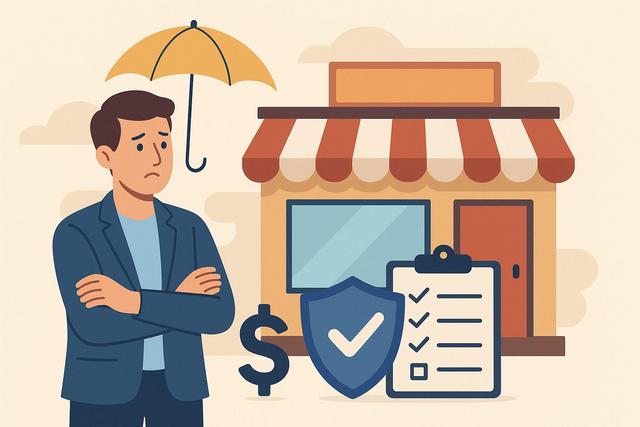
Insurance is a crucial component for risk management in businesses, offering peace of mind in an unpredictable world. However, small businesses often find themselves paying for insurance policies that they rarely, if ever, use. Identifying these policies can help small business owners optimize their insurance expenses without compromising on essential coverage.
Understanding Business Insurance
Business insurance is invaluable for protecting a company's assets, reputation, and employees. However, not all policies fit the particular needs of every small business. By understanding which insurance policies are frequently purchased but rarely claimed upon, small businesses can make more informed decisions.
1. Earthquake Insurance
While earthquake insurance might seem prudent for businesses located in seismically active areas, small businesses not in these regions often carry this policy unnecessarily. According to FEMA, the likelihood of an earthquake in non-prone zones is minimal, making this policy an extra burden for most.
2. Commercial Crime Insurance
Many small businesses rely heavily on internal trust and oversight for security, especially those with fewer employees. Despite this, they often purchase commercial crime insurance. The U.S. Department of Justice statistics indicate that internal crime rates in smaller companies are significantly lower than in large corporations.
3. Business Vehicle Insurance
Small businesses with personal or rented vehicles rather than owned fleets might overpay for business vehicle insurance. .consumerreports.org suggests reviewing personal auto insurance policies first, as they may offer adequate coverage without the need for additional business insurance.
4. Flood Insurance
Like earthquake insurance, flood insurance is crucial in some regions but extraneous in areas with low flood risk. The National Flood Insurance Program offers maps and guidance to help businesses assess actual flood risk and make informed insurance purchases.
5. Terrorism Insurance
Post 9/11, terrorism insurance became more common, though it's rarely needed by small businesses in non-urban areas. Statistically, small towns are less plausible terrorism targets, making this policy more of a behemoth for modest enterprises.
6. Key Person Insurance
While the insurance market often pushes key person insurance, small businesses without significant personnel reliance can bypass this. For startups and partnerships where no single individual is irreplaceable, other investment strategies may offer better value.
7. Business Interruption Insurance
Though valuable for some, business interruption insurance may not be practical for all small businesses, particularly those with robust contingency plans. Insurance Information Institute suggests business continuity strategies may serve as a cost-effective alternative for businesses unlikely to face major interruptions.
Considerations Before Purchasing Insurance
Assess Risk Honestly: Determine genuine risks specific to your business operation and location.
Review Regulations: Consider the legal requirements in your business area. Some policies, while less utilized, may be mandated.
Consult Experts: An independent insurance advisor can offer insights devoid of sales bias.
Conclusion
By recognizing unnecessary policies, small businesses can streamline their insurance portfolios to reduce costs effectively. It's crucial to engage in regular policy reviews, ensuring the balance between adequate protection and financial efficiency. Ultimately, strategic decisions founded on research and expert advice enable small businesses to thrive with optimized insurance coverage.

