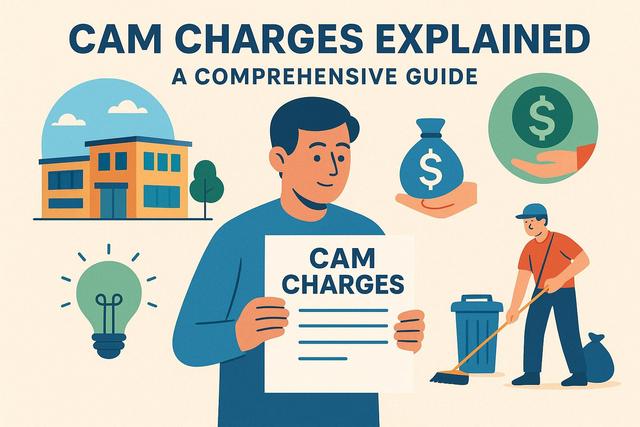
Navigating the complexities of leasing commercial real estate often involves understanding different financial obligations, among which Common Area Maintenance (CAM) charges stand out. As a crucial component of lease agreements, CAM charges impact the overall rent a tenant pays. By diving deep into what CAM charges entail and how they are calculated, both landlords and tenants can gain clarity and ensure fair and transparent leasing agreements.
What Are CAM Charges?
Common Area Maintenance (CAM) charges refer to the fees tenants pay for the upkeep and maintenance of shared spaces in a commercial property. These spaces can include hallways, lobbies, parking lots, and other common areas that all tenants use.
Breakdown of CAM Expenses
- Landscaping: Costs for maintaining gardens and green spaces.
- Security: Expenses for security personnel and systems.
- Cleaning: Regular cleaning and maintenance of shared areas.
- Repairs: Costs for repairs such as fixing lights or structural issues in common areas.
- Utilities: Shared utility costs like electricity for lighting common areas.
How Are CAM Charges Calculated?
CAM charges are often calculated based on a tenant's pro-rata share. This means the tenant pays a proportionate amount of total CAM charges based on the square footage they occupy relative to the total rentable space in the building.
Pro-Rata Share Explained
For example, if a tenant occupies 10,000 square feet in a building with 100,000 total rentable square feet, they are responsible for 10% of CAM charges.
Analyzing CAM Charges in Lease Agreements
It is essential for tenants to carefully review the lease agreement to understand how CAM charges are defined and calculated. Some leases might include terms such as "gross leases" or "net leases," which indicate how CAM charges are handled.
Gross vs. Net Leases
- Gross Lease: CAM is included in the rent.
- Net Lease: CAM is paid separately, alongside rent.
Case Studies: Real-World Implications of CAM Charges
Example 1: Retail Mall Complex
In a retail mall, CAM charges often cover extensive maintenance for indoor and outdoor spaces. Tenants such as popular chain stores may negotiate to cap CAM charges based on combined store space usage and anticipated revenue.
Example 2: Office Parks
In office parks, CAM charges typically cover services like snow removal, HVAC maintenance, and pest control services, ensuring consistent working conditions for tenant satisfaction and productivity.
Actionable Insights for Tenants and Landlords
- Negotiate Terms: Both parties should clearly define CAM expenses in the lease and consider capping increases.
- Regular Audits: Conduct audits of CAM charges annually to avoid discrepancies.
- Communication: Maintain open communication to address any concerns regarding maintenance or CAM expenses.
Conclusion
Understanding CAM charges is crucial for both landlords and tenants, as these charges significantly impact leasing costs. By breaking down what CAM covers and how fees are determined, stakeholders can negotiate clearer lease terms, ultimately fostering better business relationships. To further explore what CAM charges represent in your specific lease agreement, consider engaging with legal experts or referring to industry standards provided by reputable organizations.
Tenants and landlords are encouraged to periodically review and discuss CAM-related issues to ensure transparency and fairness in their ongoing commercial relationships.

