Why Simple Funnels Convert Better: An In-Depth Analysis
- 03/27/2026 07:26am
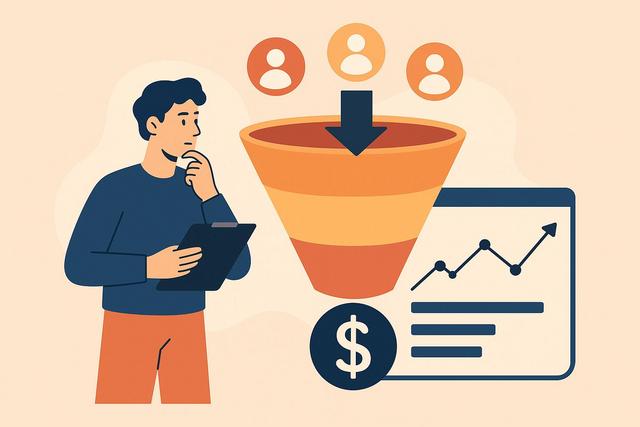
In the digital marketing realm, the complexity of a sales funnel can make or break a business's conversion efficiency. The trend is clear: simpler funnels consistently outperform their complex counterparts. This article dives deep into why minimizing complexity can maximize conversion, supported by concrete data, case studies, and actionable strategies.
Understanding Funnels: The Basic Concept
Definition and Importance
A sales funnel represents the customer's journey, from initial interest to the final purchase decision. It is typically divided into stages that nurture prospects towards conversion. Understanding these stages aids businesses in optimizing their sales strategy.
Example of a Classic Sales Funnel
Consider a typical ecommerce sales funnel: Awareness, Interest, Decision, and Action. In this model, simplifying each step is crucial for minimizing the potential dropout rate. A report from SmallBizTrends suggests that 68% of businesses experience a substantial increase in sales by simplifying the funnel's intermediate steps.
The Complexity Dilemma in Sales Funnels
Identifying Complexity Issues
Complex funnels often feature numerous steps, overwhelming prospects with decisions. Each additional step can introduce friction, leading to conversion drop-offs. Research by HubSpot indicates that reducing the number of form fields in a funnel step can increase conversion rates by 20%.
Case Study: Company X's Simplification Success
Company X, a SaaS provider, reduced their funnel from five steps to three by eliminating redundant data collection. As a result, they reported an increase in conversion rates from 15% to 22% over six months.
Data-Backed Advantages of Simple Funnels
Increased Conversion Rates
A streamlined approach reduces user friction. As evidenced by a MarketingSherpa survey, businesses focusing on simplicity reported a 96% improvement in conversion rates.
Enhanced User Experience
Simple funnels prioritize essential, clear communications, improving user experience. According to the Nielsen Norman Group, effective usability can boost customer retention rates by up to 200%.
Strategies to Simplify Your Funnel
Minimizing Steps
Audit existing steps in your funnel and remove unnecessary actions. By decreasing the funnel length, you minimize potential drop-off. Utilize A/B testing to measure the effect of each subtraction on conversion rates.
Streamlining Content
Ensure each step provides clear, concise information. Tools like Google Optimize can help determine optimal messaging and layout, further assisting in refining user experience.
Balancing Simplicity and Necessary Complexity
Identifying Essential Steps
While simplicity is key, some complexity may be necessary for qualified leads. Focus on optimizing essential touchpoints, such as those that significantly impact conversion decisions.
Implementing Intelligent Design
Utilize tools such as Unbounce or Leadpages to design aesthetically pleasing yet simple landing pages that guide users seamlessly through the buying process.
Technical Tools for Funnel Optimization
Leveraging Analytics
Platforms like Google Analytics provide insights into where users drop off. This data can inform strategic decisions on which parts of the funnel may be simplified without losing critical content.
Automation Platforms
Utilize automation tools such as HubSpot and Marketo to streamline processes. These tools can help maintain necessary functionalities with minimal user interaction required, thereby simplifying the funnel without losing important touchpoints.
Real-World Examples of Simple Funnel Success
Example 1: E-commerce Giant
An e-commerce platform streamlined their checkout process, eliminating registration as a mandatory step. This change led to a significant increase of 45% in completed purchases.
Example 2: B2B SaaS Provider
This provider optimized their landing page by removing unnecessary information fields and witnessed a 35% rise in demo requests.
Conclusion: Why Simplicity Wins
In reviewing the data and case studies, the overarching conclusion is that simpler funnels generally convert better due to reduced user friction and improved user experience. Businesses should focus on essential actions, streamline content, and utilize modern tools for continuous optimization.
Takeaways and Steps for Implementation
- Audit your current sales funnel, identify and eliminate unnecessary steps.
- Test modifications using A/B testing and monitor analytics closely.
- Utilize automation tools to maintain essential complexity with minimal user steps.
- Regularly Review your approach and adapt based on user feedback and conversion data.

