Top Mistakes to Avoid When Purchasing Business Insurance
- 10/27/2025 07:26am
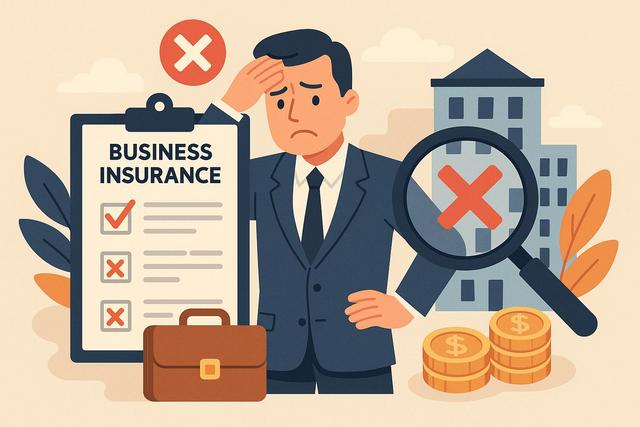
Purchasing business insurance is a crucial step in safeguarding your company against unforeseen risks and liabilities. Despite its importance, many businesses often make costly mistakes during the insurance purchasing process that could lead to significant financial losses or inadequate coverage. This guide highlights the top mistakes to avoid when buying business insurance and provides actionable insights to ensure you make informed decisions.
Why Is Business Insurance Essential?
Business insurance provides a financial safety net for companies by covering various risks including property damage, liability claims, and employee-related risks. Having the right insurance policy in place not only protects your assets but also ensures business continuity in the face of unexpected events. According to Insurance Information Institute, many businesses underestimate their coverage needs, leading to potential gaps that could be financially devastating.
Common Mistakes in Business Insurance
1. Underestimating Coverage Needs
Underinsuring your business is a common mistake that can lead to significant financial shortfalls in the event of a claim. It's crucial to assess your business risks comprehensively and choose coverage limits that adequately protect your operations.
2. Choosing Price Over Value
While it's understandable to consider cost, selecting insurance solely based on the lowest price can be detrimental. Cheaper policies often come with limitations and exclusions that may not be evident initially. Consider the policy's overall value, including the insurer's reputation and customer service.
3. Failing to Review Policies Regularly
Businesses evolve over time, and so do their insurance needs. Failing to review and update your insurance policies regularly could leave you exposed. Schedule annual reviews with your insurance advisor to ensure your coverage matches your current risk profile.
4. Overlooking Specialized Coverage
Depending on your industry, certain risks are unique to your business. Overlooking specialized insurance such as cyber liability insurance or professional indemnity insurance can leave gaps in coverage. Consult with experts to understand industry-specific risks and customize your policy accordingly.
5. Not Reading the Fine Print
Insurance policies can be complex documents filled with legal jargon. Many business owners neglect to read the fine print, resulting in misunderstandings about what is covered. Take the time to review the terms and conditions in detail or have an expert, such as a risk management consultant, explain it to you.
6. Ignoring Risk Management
Insurance is just one component of risk management. Failing to implement robust risk management practices could increase the likelihood of claims and higher premiums. Utilize resources from OSHA or similar organizations to establish and maintain a safe operating environment.
Actionable Insights to Avoid These Mistakes
Conduct a Comprehensive Risk Assessment
Work with a professional to conduct a thorough risk assessment tailored to your industry and business model. This will help you identify potential risks and the type of insurance coverage that best addresses these needs.
Consult Multiple Insurers
Don’t rely solely on one insurance provider. Friends and reviews can guide you towards reputable insurance companies that offer the coverage you need at competitive prices. Comparing multiple offers provides leverage for better pricing and terms.
Consider an Insurance Broker
Insurance brokers can provide an unbiased view of your options and help you navigate through complex policies. Their expertise can often secure better rates and customize policies to fit your needs precisely.
Invest in Employee Training
Proper training can mitigate some risks, which should reflect in your insurance premiums. Encourage safety programs, regular workshops, and certifications, leveraging tools from HR Dive or similar platforms to provide your staff with the necessary skills to avoid costly mistakes.
Conclusion: Key Takeaways
Business insurance is instrumental in protecting your company from financial disaster. Avoiding common mistakes such as underestimating coverage needs, choosing cost over value, and ignoring policy fine prints are paramount in securing adequate coverage. Regular policy reviews, understanding specialized coverage, and employing comprehensive risk management techniques can further safeguard your business. Take an informed approach, consult experts, and compare offerings to maximize the value of your insurance investments.

