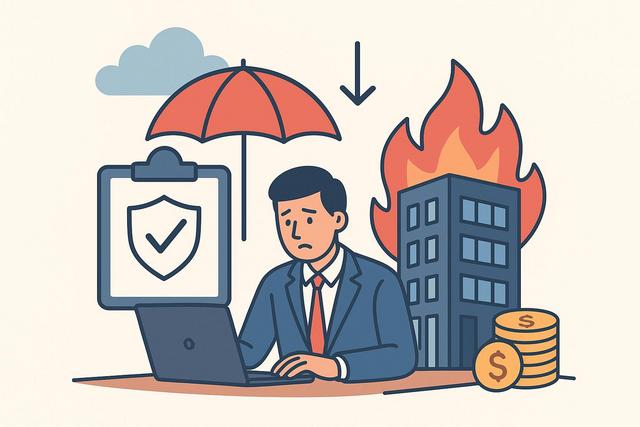
In an unpredictable world, businesses face numerous unforeseen events that can disrupt operations and impact profitability. From natural disasters to equipment breakdowns, such incidents can cause significant financial strain. This is where business interruption insurance comes in—a crucial safeguard for your company during unexpected downtimes.
Understanding Business Interruption Insurance
Business interruption insurance is a specialized policy designed to cover the loss of income that a business suffers after a disaster. This type of insurance covers operating expenses, including fixed costs, during the time that the business is shut down due to an insured event.
What Does It Cover?
- Lost Revenue: This insurance compensates for the loss of income during the downtime.
- Rent or Lease Payments: Even when operations are halted, the business still incurs fixed costs like rent.
- Salaries and Wages: These policies often cover payroll costs, helping retain key staff.
- Loan Payments: Coverage ensures that loan obligations continue to be met.
- Relocation Costs: If the business needs to move temporarily, the insurance can cover moving expenses.
For a comprehensive analysis, you can refer to resources like Forbes or NAIC for regulatory insights.
The Importance of Business Continuity
Business continuity is essential for sustaining operations and maintaining a competitive edge. Interruptions can jeopardize customer relationships, employee morale, and market position. By investing in business interruption insurance, companies can focus on recovery rather than survival.
Case Study: Real-World Impact
Consider a manufacturing company that suffered a significant operational halt due to a factory flood. Without business interruption insurance, the company risked massive financial loss and employee layoffs. However, the insurance helped cover their revenue loss and relocation costs, allowing them to resume operations with minimal disruption.
Tools and Resources
Utilize tools like the Business Insider for strategic advice and the Small Business Administration's (SBA) website for small business guidance. These resources provide valuable insights into preparing and responding to business interruptions.
Actionable Steps to Implement Business Interruption Insurance
- Assess Your Risks: Identify potential threats and evaluate their impact on operations.
- Select the Right Coverage: Tailor the policy to fit your business needs and potential risks.
- Create a Business Continuity Plan: Prepare a detailed strategy outlining immediate actions during interruptions.
- Regularly Review and Update Policies: Ensure the policy remains aligned with the growing needs of your business.
Conclusion and Takeaways
Business interruption insurance is not just a financial safety net; it's an investment in your business's future. In an era where unforeseen events can threaten operations, having a robust insurance policy ensures sustainability and resilience. Protect your assets, secure your workforce, and maintain your market presence by integrating this critical component into your business strategy.
Take proactive steps to assess potential risks, choose appropriate coverage, and develop a comprehensive business continuity plan. Staying prepared and informed ensures that your company can withstand any challenge and emerge stronger.

