Step-by-Step Guide to Leasing Commercial Property
- 08/31/2026 05:26am
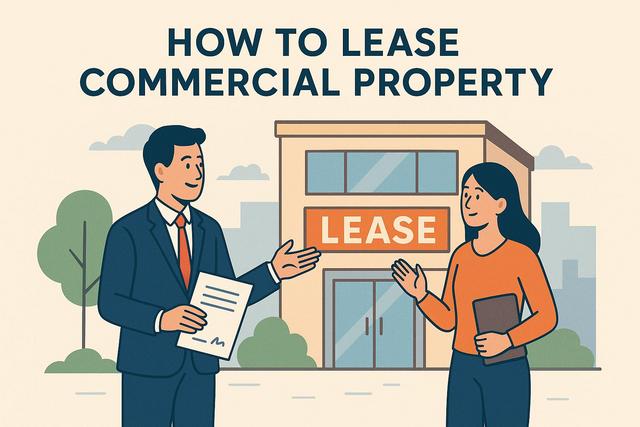
Navigating the process of leasing a commercial property can be complex yet rewarding for your business. This guide offers a comprehensive step-by-step strategy to help you secure the perfect space, considering factors like location, budget, and future growth.
Understanding Your Business Needs
Before entering into a lease, it's crucial to evaluate the specific needs of your business. Start by assessing the type of commercial property that best suits your operations. For instance, a retail business might require a high-footfall area, whereas an office-based company might benefit more from a location that's easily accessible to employees.
Space Requirements
Determine how much space you'll need. A common mistake is underestimating or overestimating space requirements. For example, a growing tech startup may envision a rapid expansion requiring additional space, but leasing too much initially can strain finances.
List your immediate space needs and project them for the upcoming years. Take into account:
- Number of employees
- Equipment and furniture needs
- Potential for team expansion
Budgeting and Financial Planning
Knowing your budget is key when leasing commercial property. Establish a maximum budget, but also consider what you're willing to spend to secure the optimal location.
Cost Analysis
Understand all associated costs beyond rent. These may include:
- Utilities
- Maintenance and common area fees
- Property taxes
- Insurance
Remember to factor in potential future increases in these costs, and consider negotiating terms that protect against excessive rent escalations.
Market Research
Conduct thorough market research to understand current trends in commercial property leasing. Consider factors such as location desirability and market demand, which can impact leasing conditions.
Real-World Example
For instance, businesses leasing properties in urban centers may face higher costs due to competitive demand, but benefit from increased visibility and customer traffic.
Study the competition: Are similar businesses nearby? Understanding your competition's location strategy can help refine your decision-making process.
Engaging Professionals
Leasing commercial property can be intricate, and engaging professionals can streamline this process.
Real Estate Agents
Hiring a real estate agent specialized in commercial properties can save time and offer insights into premier leasing opportunities.
Legal Assistance
A lawyer will help review lease agreements to protect your interests and ensure compliance with legal standards. Misunderstanding lease terms can lead to costly mistakes, so professional oversight is vital.
Touring Potential Spaces
Once you've shortlisted properties, schedule visits to assess the suitability of each space. Note the property's condition, layout, and amenities.
Create a Checklist
During tours, utilize a checklist to evaluate each property systematically. Include:
- Proximity to customers and suppliers
- Accessibility and parking
- Safety features and compliance with regulations
- Technology infrastructure
Negotiating the Lease
Successfully negotiating a lease is fundamental to securing advantageous terms for your business.
Key Points to Negotiate
Focus on concession areas such as:
- Lease duration and renewal options
- Rent-free periods or introductory discounts
- Tenant improvements and who bears the cost
Be prepared to walk away if terms are not in your favor. Negotiating effectively requires clarity on must-haves versus nice-to-haves.
Common Mistakes and Risks
Leasing commercial property involves potential pitfalls:
Overlooking Hidden Costs
Watch out for hidden costs like maintenance fees that can inflate your lease budget. Ensure all costs are transparently outlined.
Locking into an Inflexible Lease
Avoid leases with little flexibility regarding early termination or relocation. These can limit your ability to adapt to business changes.
Conclusion
Leasing commercial property is a strategic decision that affects your business's operational efficiency and cost structure. By understanding your needs, conducting thorough research, involving experienced professionals, and carefully negotiating lease terms, you ensure securing a property that aligns with your business goals.
Implementation Steps
- Define and document your business requirements.
- Establish a comprehensive budget.
- Engage real estate and legal professionals.
- Conduct market research and site tours.
- Negotiate and review lease terms carefully.
- Make decisions based on strategic alignment rather than convenience.
FAQ
What is the typical duration of a commercial lease?
Commercial leases often range from three to ten years, depending on the property type and location. Flexibility in lease terms can be crucial for business planning.
Can I sublease my commercial property?
Subleasing policies vary by lease agreement. It's essential to verify if subleasing is permitted and under what conditions.
How do I calculate the total cost of leasing?
Include base rent, potential increases, maintenance, property taxes, insurance, and any customizations required. Creating an expense sheet helps.
Should I pay for tenant improvements?
Negotiate tenant improvements within the lease terms. Often, landlords are willing to cover some costs, but this must be clearly stipulated in the agreement.

