
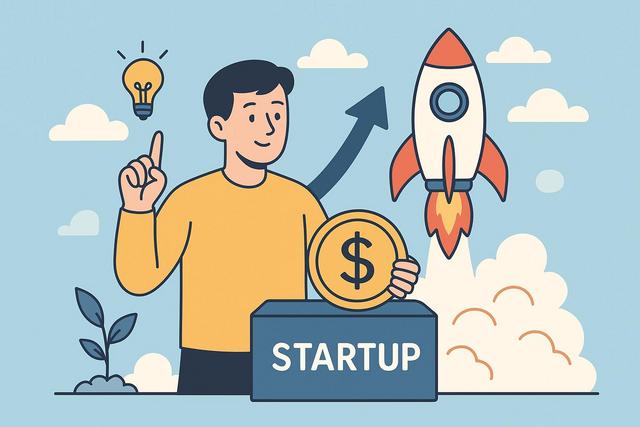
Starting a business often requires capital, but it's possible to launch without upfront investment. This guide explores innovative ways entrepreneurs can fund startups with little or no money. By leveraging existing resources and applying creative strategies, you can set the foundation for a successful business.
Understanding Bootstrapping
Bootstrapping is the art of starting a business using personal finances or the business's revenue without external funding. This approach allows founders to maintain full control over their venture. It nurtures thriftiness and resourcefulness and empowers entrepreneurs to be more innovative with available resources.
Real-World Examples
Consider tech giants like Microsoft and Apple, which began as bootstrapped companies. Bill Gates and Steve Jobs utilized their skills and limited resources to grow these businesses from garages to global brands. Their stories highlight how creativity and determination can substitute for large capital.
Utilize Bartering
Bartering enables businesses to exchange services or products without money. This concept is valuable for startups with limited funds, as it creates opportunities to secure essential services without financial expenditure.
Scenarios of Successful Bartering
A graphic designer might exchange design services for business consultancy, providing mutual benefit. Another example is tech startups swapping software development skills for marketing expertise. Such exchanges add value without affecting cash flow.
Leveraging Freelance Platforms
Platforms like Upwork and Fiverr offer chances to bootstrap by providing a space to sell skills and gain initial revenue. These platforms can also be used to access affordable services that help grow a startup.
Actionable Insights
- Sell Expertise: Use these platforms to showcase your skills and gain income without significant capital outlay.
- Buying Services: Access freelance services for website design, marketing, and more at a fraction of traditional costs.
Crowdfunding and Pre-Sales
Crowdfunding provides a platform for raising small amounts of money from a large number of people, usually via the internet. Websites like Kickstarter and Indiegogo enable startups to validate ideas and gather necessary funds.
Pre-Sale Strategy
Pre-selling products or services to early adopters can generate capital before launch. This method tests market interest and secures initial buyers, minimizing financial risk.
Making the Most of Per Diem Offices
Shared workspaces reduce overhead expenses, allowing startups to access professional office environments at a low cost. This approach is beneficial for maintaining a professional image without the liability of a traditional lease.
Comparative Analysis
| Feature | Traditional Office | Coworking Space |
|---|---|---|
| Cost | High | Low to moderate |
| Flexibility | Low | High |
| Networking Opportunities | Limited | High |
Risks and Common Mistakes
Even without large capital, startups face potential pitfalls. Among them are overspending on unnecessary tools and options, underestimating time investment, and failing to build a sustainable revenue model. Entrepreneurs should focus on strategic spending and clear business models.
Recommendations
- Focus on Essentials: Prioritize budget for critical operations.
- Monitor Cash Flow: Regularly review finances to ensure sustainability.
- Seek Mentorship: Lean on experienced advisors for guidance through challenges.
Conclusion
Starting a business with no money is challenging but not impossible. By embracing bootstrapping, bartering, freelancing, crowdfunding, and strategic office planning, entrepreneurs can lay a solid foundation for their ventures. It's essential to be strategic, resourceful, and maintain realistic expectations. Taking calculated risks and learning from mistakes will help navigate this entrepreneurial journey.
FAQs
How can I find bartering opportunities?
Several dedicated platforms like Bartercard facilitate business-to-business trades. Additionally, local business groups and networking events are excellent places to find potential barter partners.
Are there any alternatives to traditional crowdfunding?
Yes, alternatives include equity crowdfunding, where investors receive shares in exchange for funding, and community equity schemes like those found on platforms such as Seedrs.
Can freelancing become a full-time business?
Absolutely. Many start as freelancers and gradually build their client base to convert their freelancing efforts into a full-scale business. Sites like LinkedIn can help transition from freelancing to full-time entrepreneurship.

