
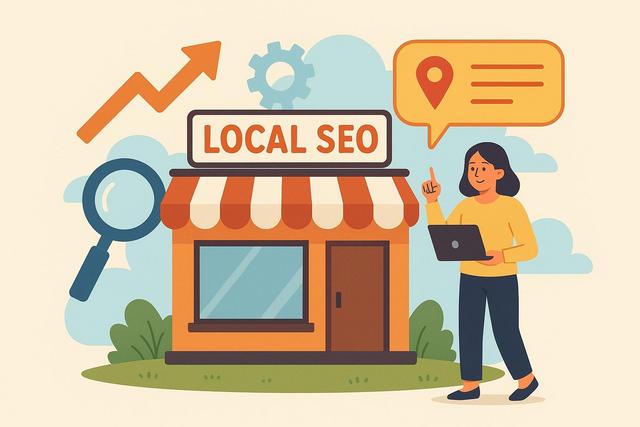
In today's digital era, local SEO is crucial for small businesses aiming to capture the attention of nearby customers. Understanding and implementing effective local SEO strategies can significantly boost your visibility in local search results, drive foot traffic, and improve overall business performance. This guide explores actionable local SEO tips tailored for small business owners.
Understanding Local SEO
Local SEO focuses on optimizing your online presence to attract more business from relevant local searches. These searches take place on Google and other search engines, often including location-based terms like 'near me' or city names.
Why Local SEO Matters
For small businesses, visibility in local search results is essential. Approximately 46% of all Google searches seek local information, indicating a significant market for local businesses to tap into. By optimizing local SEO, businesses improve their chances of attracting customers actively searching for their services within their vicinity.
How Local SEO Differs from Traditional SEO
While traditional SEO targets improving a site's overall visibility on a global or national scale, local SEO focuses on enhancing search performance within local geographical areas. This distinct focus suits small businesses that rely on local clientele rather than a widespread audience.
Setting Up Google My Business
Steps for Successful Setup
Google My Business (GMB) is a powerful tool for enhancing your local presence. Here’s how to set it up effectively:
- Claim Your Business: If your business is already listed, claim it on Google. If not, create a new listing.
- Fill Out Your Profile Completely: Ensure every detail is accurate, including name, address, phone number, and business hours.
- Choose Relevant Categories: Select specific categories that reflect your business’s services.
- Add Photos and Videos: High-quality images make your profile more appealing.
Benefits of Google My Business
An optimized GMB profile improves your local ranking and appears prominently in Google searches and maps, increasing your exposure to potential customers. It also allows interaction with customers through reviews, enhancing your credibility.
Leveraging Local Keywords
Choosing the Right Keywords
Local keywords should reflect the services you offer and the areas you serve. Conduct keyword research using tools like Google's Keyword Planner to identify terms your prospective customers are using.
Integrating Keywords Strategically
- Use keywords naturally in your content, meta descriptions, titles, and image alt texts.
- Ensure they align with both user intent and your business’s unique selling propositions.
Importance of Long-Tail Keywords
Long-tail keywords are detailed phrases that include three or more words, often reflecting user intent more precisely. They typically have lower competition and higher conversion rates, providing significant value to local SEO strategies.
Building Local Citations
What Are Local Citations?
A local citation is any mention of a business's name, address, and phone number (NAP) across the web. These citations occur on local business directories, websites, and social media platforms.
Importance of Consistent NAP
Inconsistent information can confuse search engines and potential customers, leading to lost business. Ensure a uniform NAP presence across all platforms.
How to Build Quality Citations
- Use Reputable Directories: Platforms like Yelp, Yellow Pages, and BBB are trusted and attract significant traffic.
- Engage in Community Activities: Sponsor local events or participate in community blogs, gaining backlinks and improving visibility.
Encouraging Customer Reviews
Why Reviews Matter
Customer reviews are influential in building trust and attracting new customers. According to Moz, review signals account for about 15% of local pack ranking factors.
Best Practices for Gathering Reviews
- Politely ask satisfied customers to leave a review.
- Respond to reviews, both positive and negative, to show customer appreciation and professionalism.
- Incorporate feedback into business operations to improve customer satisfaction.
Managing Risks and Common Mistakes
Risks in Local SEO Strategies
- Neglecting Mobile Optimization: With over half of local searches happening on mobile devices, ensure your site is mobile-friendly.
- Overlooking Review Management: Ignoring reviews can damage your reputation and rankings.
Common Mistakes to Avoid
- Keyword Stuffing: Adding too many keywords can disrupt your content flow and be penalized by search engines.
- Ignoring Analytics: Regularly track SEO performance to adjust strategies for better outcomes.
Conclusion and Next Steps
Local SEO should be an integral part of your digital marketing strategy. By setting up Google My Business, using local keywords effectively, building citations, and managing reviews, small business owners can significantly enhance their online presence. Regularly review analytics and stay updated on SEO trends to maintain a competitive edge.
FAQs
What is the difference between local SEO and regular SEO?
Local SEO focuses on location-based optimization, targeting customers within a specific geographic region, while regular SEO aims at a broader audience.
How often should I update my Google My Business profile?
Regular updates ensure accuracy and engagement. Update whenever there's a change in your business operations, or bi-weekly with new photos or posts.
Can local SEO impact my online sales without a physical store?
Yes, businesses that operate online but serve local customers can benefit from local SEO by targeting regional keyword phrases and enhancing their Google My Business profile.

