
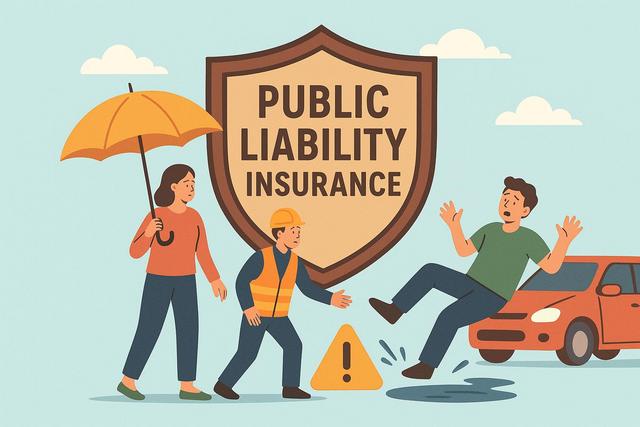
Public liability insurance is a critical safeguard for businesses, shielding them from claims related to injuries, property damage, and more. This essential coverage provides peace of mind and financial protection, ensuring businesses can navigate potential liabilities without devastating financial consequences. In this strategic guide, we explore what public liability insurance covers, its significance in managing business risks, and how to effectively implement this protection in your organization.
What is Public Liability Insurance?
Public liability insurance primarily protects businesses from claims made by external parties for injuries or damages. Imagine a scenario where a customer slips and falls on your business premises, sustaining injuries that require medical attention. Without adequate insurance, the financial ramifications could be substantial. This coverage ensures such incidents do not lead to significant out-of-pocket expenses, allowing businesses to operate smoothly without unexpected legal burdens.
Core Coverage Areas
Bodily Injury
Public liability insurance typically covers claims of bodily injury to third parties on your premises. Consider a retail store where a customer trips over a loose carpet. The insurance covers hospitalization and medical expenses, demonstrating why this protection is pivotal for businesses that interact frequently with the public.
Property Damage
Businesses are often surrounded by assets crucial to their operation. Incidents resulting in damage to a client's property can lead to costly repairs or replacements. For instance, if a contractor accidentally damages a client's furniture while fulfilling a job, public liability insurance steps in to cover the associated costs. This protection ensures that such damages don't compromise your business financially.
Legal Costs
In addition to covering the cost of claims, public liability insurance often manages legal fees. Defending a lawsuit can deplete resources rapidly, even if the case turns out to be unfounded. The insurance offers a financial safety net by covering legal representation costs, which can otherwise be exorbitant.
Industry-Specific Considerations
The Retail Sector
Retailers regularly engage with the public, making them highly susceptible to liability claims. From wet floors to heavy merchandise that could fall, risks are abundant. Coverage here extends to customer injuries and damage to personal belongings, making it essential for any retail business.
The Construction Industry
Construction sites are rife with hazards. Public liability insurance for construction often covers not only site visitors but also neighboring properties affected by construction activities. For example, if construction debris from a site damages nearby vehicles, insurance can cover these unplanned expenses.
Comparing Public Liability Insurance Coverages
Different insurers may offer varied terms and conditions. Here's a simple comparison to illustrate differences in coverage:
| Feature | Insurer A | Insurer B | Insurer C |
|---|---|---|---|
| Bodily Injury Coverage | $1 million | $2 million | $1.5 million |
| Property Damage Coverage | $500,000 | $1.5 million | $1 million |
| Legal Cost Coverage | Full | Full | Up to $1 million |
Choose a policy that aligns with your business scope and risk exposure to ensure optimal protection.
Common Mistakes in Selecting Coverage
Inadequate Coverage Limits
Opting for minimal coverage to save on premiums can be counterproductive. In the event of a substantial claim, inadequate coverage may lead to out-of-pocket expenses that outweigh the cost of more comprehensive insurance.
Overlooking Industry-Specific Needs
Different businesses have unique liability risks. Ignoring industry-specific threats when selecting insurance can expose your business to unforeseen liabilities. Always tailor your coverage to meet these specific needs.
Implementation Steps
- Identify Risks: Analyze your business operations to determine potential liability exposures.
- Consult with an Expert: Work with insurance professionals to tailor your policy to industry-specific needs and risks.
- Collect and Compare Quotes: Seek competitive quotes from multiple providers to ensure an optimal price-benefit ratio.
- Review Policy Terms: Pay careful attention to exclusions and limits within the policy to avoid gaps in coverage.
FAQs
What is excluded in public liability insurance?
Generally, employee injuries, intentional damages, and liabilities due to poor workmanship are excluded.
Can I bundle public liability with other insurances?
Yes, bundling policies like professional indemnity or property insurance can provide comprehensive coverage at reduced rates.
Is public liability insurance a legal requirement?
While not legally mandated in all regions, it is highly recommended and often contractually required by business partners.
Conclusion
Public liability insurance is indispensable for businesses engaging with the public. By understanding what it covers and implementing appropriate strategies, businesses can effectively mitigate risks and safeguard against potential claims. Start by assessing your unique liability exposure, seek expert consultation, and ensure a comprehensive policy that aligns with your business's operational needs.

