
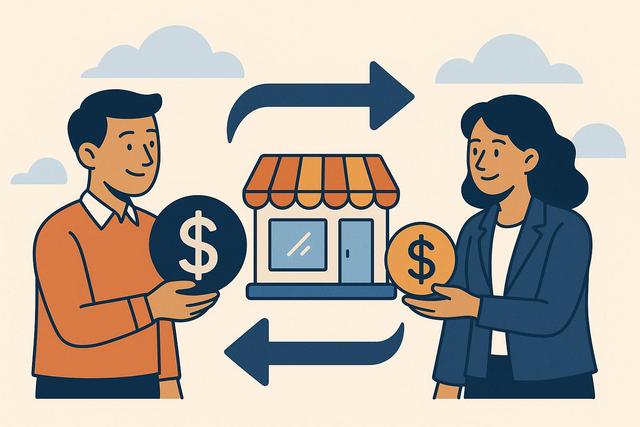
Peer to peer lending has emerged as a viable alternative for small businesses seeking funding. This guide delves into the mechanisms, advantages, and potential risks involved in P2P lending.
Understanding Peer to Peer Lending
Peer to peer (P2P) lending is a method of debt financing that enables individuals and businesses to borrow and lend money directly without the use of an official financial institution as an intermediary. Instead, transactions are facilitated through an online platform that connects borrowers with potential investors. The main keyword here is "peer to peer lending", and it is crucial in the world of alternative finance.
How P2P Lending Works
At its core, P2P lending functions by pairing borrowers and lenders via specialized platforms like LendingClub or Funding Circle. These platforms handle the administrative aspects of the loan and earn money by charging a fee to the borrower and/or the investor. A thorough understanding of how these platforms operate is essential—especially for small businesses considering this funding route.
- Application Process: Borrowers submit their loan application online. The platform evaluates credit profiles and financial health before listing the loan request.
- Investment Opportunity: Lenders browse these loans and decide where to invest, often spreading their risk across multiple loans.
- Repayment: Monthly payments are made by the borrower and distributed to the lenders after the platform’s fee.
Benefits of P2P Lending for Small Businesses
Peer to peer lending offers numerous advantages for small businesses looking to secure funding outside of traditional banks:
- Flexibility: Unlike traditional lenders, P2P platforms may provide more flexible terms and faster funding approvals.
- Better Access: Small businesses with limited credit history might find it easier to obtain funding.
- Potentially Lower Rates: By eliminating the middleman, borrowers might access funds at lower interest rates compared to conventional loans.
Statistics from independent financial analysts suggest that approximately 40% of small businesses using P2P lending managed to fund growth initiatives that would otherwise remain unattainable through traditional means.
P2P Lending Platforms: A Comparative Overview
To assess which P2P lending platform best suits your business needs, consider these leading options:
| Platform | Estimated Approval Time | Interest Rate Range | Ideal For |
|---|---|---|---|
| LendingClub | 2-5 days | 6%-36% | General small businesses |
| Funding Circle | 5-10 days | 7%-15% | Established businesses |
| Upstart | 1-3 days | 8%-36% | Businesses with limited credit |
Risks and Considerations
Despite its benefits, P2P lending has inherent risks:
- Credit Risks: Borrowers face higher risks if unable to keep up with payments as defaulting on these loans could lead to severe financial setbacks.
- Variable Rates: While potentially low, interest rates are subject to market changes, possibly increasing over time.
- Regulation: Regulatory frameworks around P2P lending are still evolving and can vary significantly across jurisdictions.
Strategic Recommendations for P2P Borrowers
For small business owners considering P2P lending, take these steps to maximize your chances of success:
- Research Thoroughly: Understand the terms, fees, and lender dynamics of each platform before applying.
- Maintain Transparency: Clearly communicate your business plans and existing debts to create trust with investors.
- Prepare a Solid Business Plan: This can considerably improve your funding prospects by showcasing your ability to repay.
Common Mistakes and Misconceptions
When venturing into P2P lending, avoid these pitfalls:
- Over-leverage: Don't borrow beyond your repayment capacity, as this could lead to financial distress.
- Ignoring Platform Reviews: Feedback from other businesses should guide your platform choice.
- Neglecting Legal Advice: Regulatory landscapes can be tricky, and professional advice may be necessary.
Conclusion
Peer to peer lending provides a promising alternative for small businesses to access capital independently of traditional banking systems. By analyzing platforms carefully and considering your business's unique needs, P2P lending can be not only a boon in achieving growth but also a strategic investment in your enterprise's future.
Ultimately, businesses should conduct ongoing assessments of their financial strategies, adapting as necessary to remain competitive.
FAQ
What is the typical loan size in P2P lending for small businesses?
Typical loan sizes vary but generally range from $5,000 to $500,000.
How does my credit score impact my eligibility?
A higher credit score often results in better interest rates; however, P2P lending platforms may cater to those with limited credit histories.
Are there any tax implications for P2P lending?
Loan proceeds are typically not taxable, but interest paid may be deductible as a business expense. Consult a tax advisor for details.
Can P2P loans be used for any business purpose?
Yes, from purchasing equipment to funding operations, P2P loans offer considerable flexibility.
Is collateral required for securing a P2P loan?
Most P2P loans to small businesses are unsecured, not requiring collateral, which is pivotal for many SMEs.

