
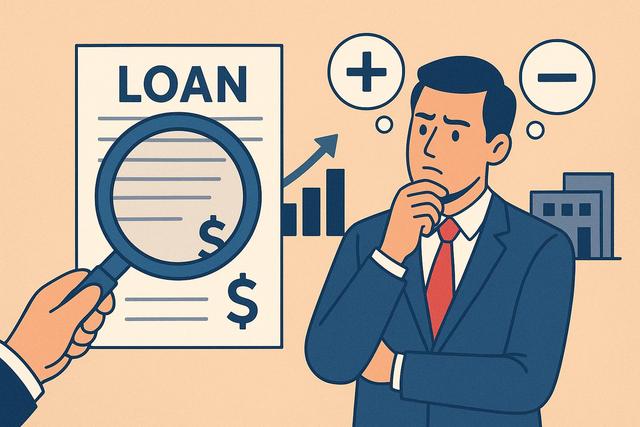
In the fast-paced world of business, securing adequate and timely financing can often make the difference between growth and stagnation. Short term business loans have emerged as a popular financing option for companies seeking quick access to funds. However, while these loans offer numerous advantages, they also come with their own set of drawbacks. In this strategic guide, we explore the intricate pros and cons of short-term business loans, provide actionable insights, and discuss potential pitfalls you should be aware of.
Understanding Short Term Business Loans
Short term business loans are financial products designed to meet immediate funding needs. Typically, these loans have a repayment period ranging from a few months to a couple of years. They are favored by businesses looking for quick capital to manage cash flow, invest in opportunities, or cover unexpected expenses.
Key Features
- Quick Approval Process: Unlike traditional loans, short-term loans often have streamlined application procedures and faster approval times.
- Flexible Usage: Businesses can use these funds for a variety of purposes, from purchasing inventory to covering payroll.
- Smaller Loan Amounts: Generally, the loan amounts tend to be smaller, making them ideal for immediate and minor financial needs.
Pros of Short Term Business Loans
Short term business loans offer several benefits that can make them appealing to business owners.
Rapid Access to Capital
One of the primary advantages is the speed with which businesses can access funds. Traditional loan processes can be cumbersome and lengthy, often taking weeks or even months. In contrast, short-term loans can sometimes be approved within 24 to 48 hours, providing the liquidity needed for urgent business decisions.
Flexibility in Financing Needs
Given their versatile nature, short-term loans can be tailored to fit specific business needs. Whether a company needs to bridge a financial gap or seize a lucrative opportunity, the flexibility of short-term loans can be invaluable. For instance, a seasonal business might use such a loan to stock up on inventory ahead of a busy period.
Improved Credit Standing
If managed correctly, consistently repaying a short-term loan can enhance a business's credit profile. This, in turn, can improve the company's eligibility for larger loans in the future.
Cons of Short Term Business Loans
Despite the benefits, there are significant downsides to consider.
High-Interest Rates
One of the most prominent disadvantages of short-term loans is their often high-interest rates. Given the risk assumed by lenders due to the fast approval process and shorter repayment terms, interest can be considerably higher than that of a traditional loan.
Potential for Debt Spiral
High costs coupled with short repayment terms can strain cash flow, potentially leading businesses into a cycle of debt. Companies that don't manage cash wisely or overextend themselves may struggle to repay the loan, leading to defaults.
Limited Availability
Not all businesses can qualify for short-term loans. Often, lenders require businesses to demonstrate reliable revenue streams and may prioritize established companies over startups.
Strategic Use of Short Term Business Loans
To maximize returns and minimize risks, businesses should strategically determine when and how to use short-term loans.
When to Opt for Short Term Loans
- For Seasonal Businesses: During high revenue periods, these loans can help stock up on inventory or manage temporary staffing levels.
- To Seize Limited-Time Opportunities: If a lucrative market opportunity with quick turnarounds emerges, a short-term loan can provide the necessary capital.
- To Manage Cash Flow Gaps: Businesses can utilize loans to smooth cash flow fluctuations without disrupting operations.
Effective Management Tips
- Budget Carefully: Ensure your business has the capacity to meet repayment schedules without compromising daily operations.
- Comparative Loan Shopping: Evaluate interest rates, terms, and conditions from multiple lenders to find the best fit.
- Forecast Revenue: Base loan decisions on reliable revenue forecasts to mitigate repayment risks.
Mistakes and Misconceptions
Several misconceptions about short-term loans can lead businesses astray.
Overemphasis on Speed
While fast access is a significant perk, don't allow haste to overshadow careful consideration regarding terms and costs.
Misjudging Repayment Ability
Failing to realistically assess your business's ability to repay the loan can lead to financial distress. Always factor in potential cash flow disruptions or downturns.
Overlooking Fine Print
Loan agreements can be complex. Business owners must thoroughly review all terms and conditions to avoid hidden fees or penalties.
FAQ
What is the typical interest rate for a short-term business loan?
Interest rates vary widely but can range from 8% to 80% APR depending on the lender, borrower creditworthiness, and loan specifics.
How long is the repayment period for a short-term loan?
Repayment periods generally range from 3 months to 2 years.
Can startups qualify for short-term loans?
Yes, but eligibility depends on specific lender criteria, often requiring proven revenue streams or a strong business plan.
Conclusion
Short-term business loans offer a compelling solution for businesses in need of rapid funding, providing flexibility and quick access to capital. However, they come with high costs and potential risks that must be carefully managed. Businesses should critically evaluate their needs, repayment ability, and the terms of any loan before proceeding. By doing so, they can harness the benefits of short-term financing effectively, supporting growth and stability.

