How to Secure a Small Business Loan with Bad Credit
- 08/18/2026 05:26am
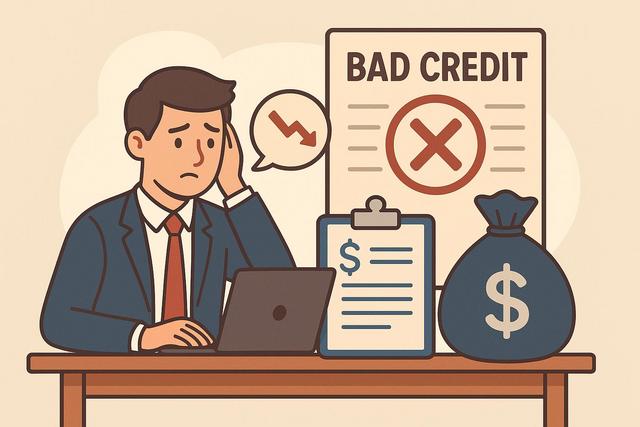
For small business owners with bad credit, securing a loan might seem daunting. However, understanding the lending landscape and knowing how to leverage available resources can significantly improve your chances. This guide provides actionable strategies to help you get funding for your business, even with less-than-perfect credit.
Understanding Bad Credit and Its Implications
Bad credit, typically a score below 580, can present challenges when seeking traditional financing. Lenders view bad credit as a sign of risk, leading to higher interest rates or outright loan denials. This credit score reflects past financial behaviors, and many entrepreneurs find themselves in this situation due to personal or business hardships.
Example of Impact
Consider a business owner with a credit score of 550. They might face rejections from mainstream banks, pushing them to explore alternative lenders who often charge higher interest.
Exploring Alternative Lenders
Alternative lenders have emerged as a viable option for those with bad credit. They tend to focus more on business potential and cash flow than the credit score itself.
Types of Lenders
- Online Lenders: These often provide quicker approval processes and are more lenient with credit scores. For example, Kabbage offers lines of credit up to $250,000 with fair credit assessments.
- Credit Unions: More community-focused, they might offer more personalized lending solutions.
- Microlenders: Organizations like Accion provide small loans to startups and emphasize business ideas over credit history.
Key Considerations for Application
When applying for a small business loan with bad credit, preparation is crucial. Lenders focus on several key factors:
- Business plan: A comprehensive business plan that outlines growth and revenue projections can prove invaluable.
- Collateral: Present assets as collateral to secure the loan and mitigate lender risk.
- Cash flow: Demonstrate your business's ability to generate steady cash flow to assure lenders of your repayment capability.
Strategies to Improve Loan Approval Chances
Improving your chances of securing a loan begins by addressing credit issues directly.
- Credit Repair: Engage a credit consultation service to dispute errors on your credit report.
- Establish Payment Track Record: Settle outstanding debts, and make consistent payments to boost your score over time.
- Seek Co-signers: A creditworthy co-signer can greatly increase the chance of approval.
Mistakes to Avoid
While exploring loans with bad credit, avoid these common pitfalls:
- Ignoring Fees and Terms: Avoid lenders with excessive fees; always read the fine print.
- Overborrowing: Only borrow what you need to cover immediate business needs.
FAQs
What credit score is needed to secure a business loan?
Most traditional lenders require a credit score above 700, but alternative lenders might accept scores as low as 580.Can I still get favorable terms?
Yes, with a strong business model and other qualifying factors like revenue or collateral.Are there specific loans for startups with bad credit?
Yes, microlenders and some online platforms target startup funding, regardless of credit score.
Conclusion and Next Steps
In summary, securing a small business loan with bad credit is challenging but not impossible. Business owners should focus on their strengths, actively repair their credit profiles, and explore alternative financing options tailored to their needs. Start by consulting a financial advisor or a small business consultant to evaluate your options and develop a tailored plan for your business's financial future.

