How to Optimize Your Website for Google Search
- 09/03/2026 05:26am
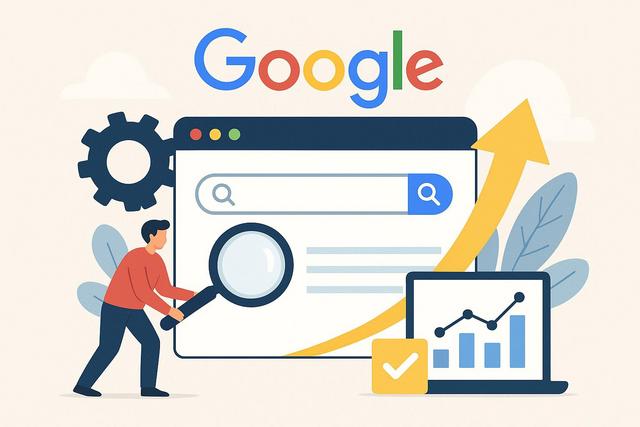
In the competitive digital landscape, optimizing your website for Google search is crucial. With effective SEO techniques, you can enhance your online visibility, drive more traffic, and ultimately improve your business performance. This guide offers actionable insights into the strategies that can elevate your website's search engine ranking.
Understanding SEO Fundamentals
Search Engine Optimization (SEO) is the practice of enhancing a website's visibility on search engines like Google. Core components include keywords, content quality, backlinks, and technical performance. Understanding these fundamentals is the first step toward effective optimization.
Main Elements of SEO
- Keywords: Keywords are phrases that users search for. By strategically placing them within your content, you connect with potential visitors searching for related topics.
- Content Quality: Google prioritizes high-quality, relevant content that meets user needs.
- Backlinks: Links from other reputable sites signal credibility and authority.
- Technical Performance: Speed, mobile-friendliness, and site structure impact search rankings.
Real-world example: Moz's Beginner's Guide to SEO offers a thorough introduction to these elements.
Keyword Research and Implementation
Keywords are the backbone of SEO. Identifying and utilizing the right keywords ensures your content aligns with user intent.
Effective Keyword Research Strategies
- Use Tools: Utilize tools like Google Keyword Planner or Ahrefs to find relevant keywords.
- Long-Tail Keywords: These are longer, more specific phrases that may attract less traffic but a higher conversion rate.
Implementing Keywords
- Title Tags: Incorporate primary keywords within 60 characters.
- Meta Descriptions: Use keywords naturally in descriptions, without exceeding 160 characters.
Creating Quality Content
High-quality content is critical for search engine success. It establishes authority, engages users, and drives conversions.
Strategies for Compelling Content
- Prioritize User Intent: Content should answer questions or solve problems.
- Engagement Over Keywords: Focus on enriching your users' experience over keyword density.
Three types of content to consider:
- Informational: Blogs, how-to guides, tutorials.
- Navigational: Content that helps users navigate through your website.
- Transactional: Product pages, service offers.
Building Backlinks
Backlinks are endorsements from other websites. They boost your site's authority and relevance.
Strategies for Earning Backlinks
- Guest Blogging: Write high-quality content for reputable sites in your niche.
- Social Media Shares: Creating shareable content can earn organic backlinks.
For more insights, Backlinko's Guide is an excellent resource.
Enhancing Technical SEO
Technical SEO ensures your website meets technical criteria that improve crawlability and performance.
Key Aspects to Focus On
- Site Speed: Use tools like Google PageSpeed Insights to analyze and improve load times.
- Mobile Optimization: Ensure your site is mobile-friendly. Google prioritizes mobile-first indexing.
- XML Sitemaps: Create and submit a sitemap to help search engines index your site.
Common SEO Mistakes and Risks
Understanding pitfalls can safeguard your efforts from penalties and inefficacy.
Common Mistakes
- Keyword Stuffing: Overusing keywords leads to poor user experience and can incur penalties.
- Ignoring Analytics: Failing to monitor performance diminishes strategic insights.
Risks include algorithm changes that may affect your strategies. Staying informed through credible sources like Search Engine Journal is advisable.
Conclusion
To optimize your website effectively for Google search, focus on comprehensive keyword research, superior content quality, robust backlink strategies, and meticulous technical SEO practices. Regularly update your knowledge to adapt to search engine algorithms. Implement these strategies consistently, monitor results, and adjust as needed to ensure sustained success.
FAQs
Q1: How often should I update my website's content?
A1: Regularly updating your site with relevant content can improve ranking. Aim for at least monthly updates.
Q2: What is the ideal keyword density?
A2: There is no ideal percentage, but keywords should appear naturally.
Q3: How long before I see SEO results?
A3: Results vary but typically take 3 to 6 months to notice significant changes.

