
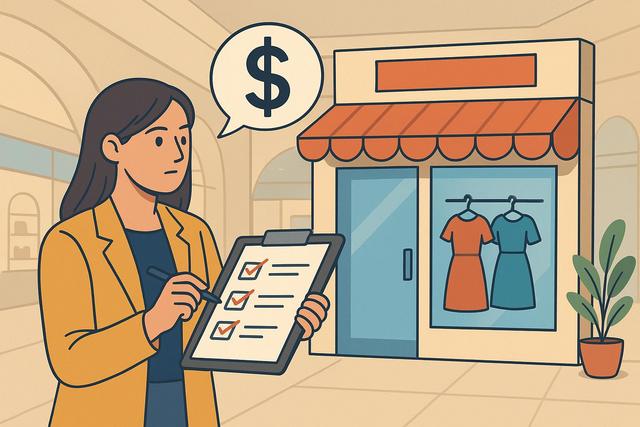
Choosing the right retail space is crucial for business success. This guide helps you evaluate retail locations, ensuring you make informed decisions that align with your business strategy.
Understanding Retail Space Evaluation
Evaluating retail space involves analyzing various factors that can affect your business's profitability and growth. A prime retail location can drive significant foot traffic, enhance brand visibility, and increase sales. Conversely, a poorly chosen site can lead to operational challenges and financial strain.
For instance, a bustling downtown area might offer high visibility but come with escalating costs. In contrast, a suburban location might be more affordable but could result in lower foot traffic. Therefore, a comprehensive evaluation of potential spaces is necessary.
Key Factors in Selecting a Retail Location
Demographics and Target Market
Understanding the local demographics is vital in retail site selection. You must consider age, income level, lifestyle preferences, and population density. Align your target audience with the local demographic to ensure a good fit. For example, if you are opening a children's clothing store, a location in a suburban neighborhood with many young families would be ideal.
Foot Traffic and Accessibility
Foot traffic is a direct indicator of potential customer visits. High foot traffic areas increase the likelihood of passersby becoming shoppers. However, accessibility is equally important. Parking availability, proximity to public transport, and ease of access can significantly impact shopping convenience. High visibility enhances spontaneous shopping, further boosting sales.
Competition and Neighboring Businesses
Analyzing competition is crucial in evaluating retail space. Proximity to competitors can be beneficial as it clusters similar businesses, attracting a specific customer segment. However, ensure the market isn't oversaturated. Investigate the success of neighboring businesses, as thriving businesses often signify a prosperous location.
Cost Considerations and Lease Agreements
Cost is a critical factor in selecting retail space. Apart from the monthly rent, consider additional expenses such as maintenance fees, utilities, and potential renovations. Reviewing lease terms carefully is essential to avoid hidden costs or inflexible contract terms.
Moreover, consider whether a short-term or long-term lease aligns better with your business goals. Short-term leases offer more flexibility, whereas long-term leases might secure favorable rates.
Tools and Strategies for Site Selection
Using Technology in Site Evaluation
Technological tools can significantly ease the process of retail space evaluation. Geographic Information System (GIS) platforms provide insights into demographics, traffic patterns, and competitor locations. Websites like Zillow or LoopNet offer listings for commercial properties with detailed insights.
On-Site Visits and Professional Consultants
Never underestimate the value of a personal site visit. Walking through the neighborhood, observing foot traffic at different times of the day, and interacting with locals provide firsthand insights that data alone can't capture.
Consulting with a commercial real estate agent can also provide access to market analysis and negotiation expertise. They can guide you through complex lease agreements and help identify spots that match your criteria.
Mistakes to Avoid in Retail Space Evaluation
Overlooking the Business Environment
Neglecting to assess the broader business environment can lead to pitfalls. Evaluate economic stability, crime rates, and urban development plans. These elements influence customer behavior and operational safety.
Underestimating Renovation Costs
Failure to accurately estimate renovation expenses can lead to budget overruns. Get professional assessments done, including structural inspections, to avoid unforeseen repair costs. Create a budget for initial setup and ongoing maintenance.
FAQs
What should I consider first when evaluating a retail space?
- Start with understanding your target market and aligning it with the demographics of the prospective location.
How can technology aid in selecting retail space?
- Tools like GIS and property listing websites provide insights into demographics, traffic, and competitor presence.
What are common pitfalls in retail site selection?
- Overlooking local business climate and underestimating renovation costs are common mistakes.
Conclusion
Evaluating retail space for your business requires careful analysis of multiple factors. Consider demographics, foot traffic, competition, and cost while utilizing technological tools for data-backed decisions. Be wary of hidden costs and ensure alignment with your business goals. By following this guide, you can choose a retail space that supports your business's success and growth.
To implement these insights, start with demographic research using GIS tools, conduct on-site visits, and consult with a professional real estate agent. These steps will guide you toward a well-informed decision, maximizing the potential for business prosperity.

