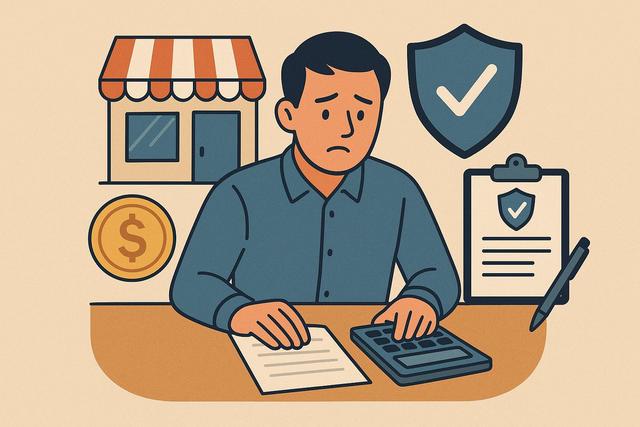
Navigating business insurance can be particularly challenging for sole proprietors. The need to secure affordable and adequate coverage while managing limited resources requires keen insight into cost factors, policy types, and strategic purchasing approaches. This guide will explore everything a sole proprietor should know about business insurance costs, offering practical advice to ensure comprehensive protection without breaking the bank.
Why Sole Proprietors Need Business Insurance
Sole proprietors often operate with a personal and professional overlap. While this can simplify operations, it can also expose them to personal liability. Business insurance becomes critical in shielding personal assets from potential business-related risks. Let’s delve into why this protection is indispensable.
Mitigating Liabilities
Sole proprietors are personally liable for debts and obligations incurred by the business. If unforeseen circumstances lead to a lawsuit, insurance policies like General Liability Insurance can cover legal fees and settlements, preventing detrimental financial strain.
Enhancing Credibility
Having the right business insurance can enhance a sole proprietor's credibility in the eyes of clients and partners. It shows a commitment to accountability and reliability, fostering trust and potentially leading to more business opportunities.
Factors Influencing Insurance Costs
Understanding what drives insurance costs can empower sole proprietors to make informed decisions. Several variables can influence the pricing of business insurance.
Type and Scope of Coverage
The primary factor affecting cost is the type and scope of coverage. Policies like Professional Liability Insurance or Cyber Liability Insurance will vary in price based on the specific risks associated with the business.
Business Location
Insurance rates can fluctuate based on the geographical area. Locations prone to natural disasters or high crime rates can lead to increased premiums due to elevated risk factors.
Revenue and Employee Count
A sole proprietor's revenue and the number of employees (if any) also impact insurance rates. Higher income can signal greater exposure to certain risks, while additional employees may necessitate workers' compensation coverage, further influencing costs.
Types of Insurance Suitable for Sole Proprietors
Choosing the right insurance policy type is crucial. Here are the most pertinent types for sole proprietors seeking comprehensive protection.
General Liability Insurance
This covers common liabilities such as bodily injuries or property damages, making it a critical safety net.
Professional Liability Insurance
For sole proprietors providing professional services, this type of insurance can offer protection against claims of negligence or mistakes.
Business Owner’s Policy (BOP)
A BOP combines general liability, property insurance, and sometimes business interruption coverage. It's a cost-effective way for sole proprietors to receive bundled coverage.
Strategies for Reducing Insurance Premiums
Business insurance need not be prohibitively expensive. Sole proprietors can implement several strategies to reduce their insurance premiums.
Shop Around
Compare quotes from different insurance providers. Utilizing online comparison tools can streamline this process, making it easier to find competitive rates.
Increase Deductibles
Opting for a higher deductible often results in lower premiums, as the insurer’s risk diminishes. Calculate what deductible is feasible without jeopardizing financial stability in case of a claim.
Bundle Policies
Bundling different types of insurance policies under one provider can result in discounts. A Business Owner’s Policy is one such bundled solution that typically saves costs.
Common Mistakes and Risks in Business Insurance
Ensuring the right level of coverage while avoiding pitfalls is essential. Here’s what to watch out for:
Underestimating Coverage Needs
A common error is underestimation of coverage requirements. This can lead to inadequate protection and unexpected costs in claim scenarios.
Ignoring Policy Exclusions
Always read the fine print. Exclusions can lead to misunderstandings about what your policy actually covers. Clarify these with your provider upfront.
Not Regularly Reviewing Policies
Businesses evolve, and so do their coverage needs. A policy that was suitable at inception may not suffice after significant growth or operational changes.
FAQ Section
What is the average cost of business insurance for a sole proprietor?
The cost varies widely but typically ranges between $500 and $1,500 annually, depending on coverage and business specifics.
How can I save money on my insurance policy?
Shop around, increase deductibles, and consider bundling policies to secure discounts.
Do I need business insurance if I work from home?
Yes, home-based businesses are not exempt from liabilities, and many homeowner policies do not cover business operations.
Conclusion
Sole proprietors must prioritize understanding and managing business insurance costs to safeguard their operations effectively. By recognizing the factors that affect pricing, selecting suitable types of coverage, and avoiding common mistakes, they can secure vital protections affordably. Regular policy review is recommended to adapt to any shifts in business dynamics. Engage with trusted insurance advisors to ensure alignment with evolving needs.

