
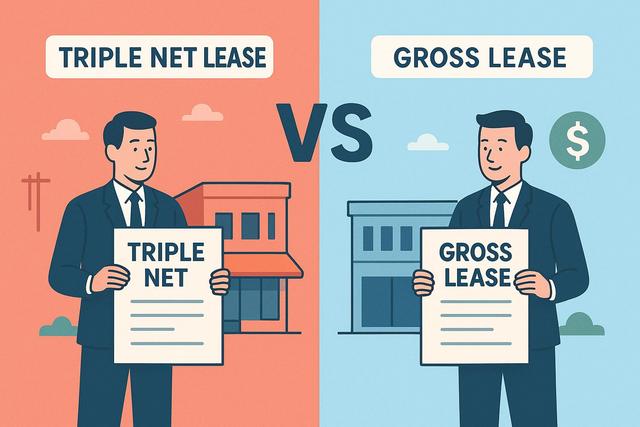
Navigating the complex world of commercial real estate requires a keen understanding of various lease agreements. Among these, Triple Net (NNN) leases and Gross leases are pivotal frameworks that influence investment strategies, tenant responsibilities, and financial outcomes. This article delves into the core differences between these two lease types, providing detailed insights for investors seeking to make well-informed decisions.
Understanding Triple Net Leases
Triple Net Leases, commonly referred to as NNN leases, are a popular choice in commercial real estate investments. Here, tenants bear the responsibility not only for rent but also for property taxes, insurance, and maintenance costs.
Key Features of Triple Net Leases
- Cost Allocation: Tenants cover utilities, property taxes, building insurance, and maintenance.
- Lower Rent: Typically, base rent is lower since additional expenses fall on tenants.
- Long-Term Stability: NNN leases are generally long-term (10-20 years), ensuring stable occupancy.
Real-World Example
Consider a retail strip mall. Each tenant may have a triple net lease, obligating them to maintain their demised units. This arrangement attracts investors seeking predictability in revenue flow.
Strategic Insights
Investors benefit from reduced management responsibilities since tenants handle operational expenses. Use this lease type to diversify portfolio risks across retail, industrial, and office properties.
Delving into Gross Leases
Gross leases stand in stark contrast by bundling all costs into a single payment made by the tenant to the landlord. Landlords handle the taxes, insurance, and maintenance expenditures.
Key Features of Gross Leases
- Single Payment Structure: Tenants pay an all-inclusive rental fee.
- Higher Rent: Rent is typically higher to accommodate the landlord's extra financial obligations.
- Flexibility: Lease terms can offer flexibility, appealing to businesses forecasting short-term occupancy.
Real-World Example
In a downtown office building with multiple tenants, the landlord might offer gross leases to simplify management. Tenants pay one fee covering rent, utilities, and other operating costs.
Strategic Insights
Gross leases suit landlords willing to accept management duties in exchange for potentially higher and stable rent rolls. They can appeal to investors focused on urban office markets.
Comparing Triple Net and Gross Leases
Below is a tabular comparison highlighting major differences between NNN and Gross leases:
| Feature | Triple Net Lease | Gross Lease |
|---|---|---|
| Rent Structure | Lower base rent + expenses | Higher all-inclusive rent |
| Responsibility Divisions | Tenant covers expenses | Landlord covers expenses |
| Management Level | Lower for landlords | Higher for landlords |
| Lease Duration | Typically longer | Can be shorter and flexible |
Mistakes and Risks in Lease Selection
Common Mistakes
- Ignoring Market Trends: Failing to align lease type with market conditions can impact yield.
- Underestimating Tenant Risk: In an NNN lease, less diligent tenant selection can lead to financial losses.
Risks
- NNN Leases: Potential for tenant default impacting expense coverage.
- Gross Leases: Management burden and financial exposure to operational costs increase for landlords.
Practical Recommendations
- Market Analysis: Conduct thorough market analysis to understand which lease structure better complements the target property type.
- Contract Diligence: Scrutinize all lease clauses to mitigate unexpected financial exposure.
- Diversification: Use a blend of lease types to balance out risks and returns within your portfolio.
FAQs
What is the main advantage of a triple net lease for landlords?
Triple net leases reduce management responsibilities as costs are passed to tenants.Who benefits more from a gross lease, landlords or tenants?
Gross leases can be beneficial to tenants due to the simplicity and predictability of costs.How does location impact the choice between NNN and gross leases?
High-demand urban areas may favor gross leases for their simplified expenses coverage, while suburban retail may opt for NNN arrangements.
Conclusion
Understanding the nuances between triple net and gross leases is crucial for making sound investment choices in commercial real estate. Triple net leases provide predictability and reduced management for landlords, but require careful tenant selection. On the other hand, gross leases offer simplicity for tenants but increase landlord responsibilities. Both lease types have their place in a diversified investment strategy. Investors should conduct due diligence, consider market trends, and assess their risk tolerance before choosing the lease structure that aligns with their investment goals.

