How to Avoid Common Tax Mistakes for Small Businesses
- 10/08/2025 09:27am
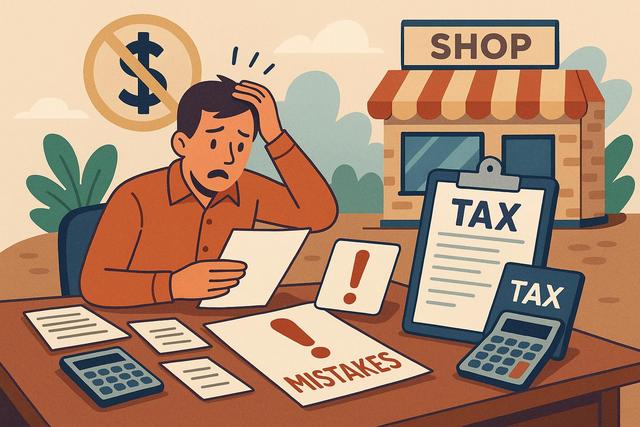
Running a small business comes with numerous responsibilities, and one of the most critical is ensuring accurate tax compliance. Small business owners often encounter challenges when managing taxes, leading to costly errors. This guide aims to highlight common tax mistakes and offer strategies to avoid them, ensuring both compliance and maximized savings.
Understanding Your Tax Obligations
As a small business owner, it's crucial to understand the various tax obligations that apply to you. This includes income tax, self-employment tax, employment tax, and potentially sales tax. The IRS provides valuable resources to help you identify which taxes apply to your business.
Common Taxes for Small Businesses
- Income Tax
- Self-employment Tax
- Employment Tax
- Sales Tax
Key Tax Mistakes to Avoid
Misclassifying Employees and Contractors
One common mistake is misclassifying employees as independent contractors, leading to penalties. Understanding the difference between employees and contractors is crucial to ensure proper tax withholdings.
Neglecting to Keep Accurate Records
Failing to maintain detailed records of transactions, expenses, and income can lead to inaccurate filings. Utilize accounting software such as QuickBooks for streamlined record-keeping.
Missing Out on Deductions
Many small businesses overpay taxes due to unclaimed deductions. Stay informed about business-specific and industry-specific deductions available to you. Resources like the Small Business Administration provide insights into eligible deductions.
Effective Tax Planning Strategies
Schedule Regular Tax Reviews
Regularly reviewing your tax situation helps in identifying any potential issues before they become problems. Consider hiring a tax professional for these periodic reviews.
Take Advantage of Tax Software
Tax software programs like TurboTax can simplify the tax filing process, ensure accuracy, and help with deductions and credits specific to small businesses.
Actionable Insights for Small Business Owners
Stay informed by subscribing to tax-related newsletters, attending small business tax workshops, and using tools like IRS Online Payment Agreement for managing tax payments efficiently.
Consult with Tax Professionals
The landscape of business taxes is continually evolving. Regular consultations with tax professionals ensure that you remain compliant and informed about any changes in tax laws that may affect your business.
Conclusion: Avoiding Tax Pitfalls
By understanding and addressing common tax mistakes, small business owners can achieve both regulatory compliance and financial savings. Regular record-keeping, proper classification of workers, and leveraging technology can significantly reduce the risk of tax errors. Implementing proactive tax planning strategies will contribute to long-term business success.

